Many Chicago ward offices offer free no-parking signs for residents who are moving themselves. The rules vary a little by ward, but the basics are consistent.
- Who can get them. Residents of the ward, usually with proof of residency and a photo ID.
- How to get them. Some wards hand out signs in person, and others email a printable version.
- When to post them. At least 48 hours before the move.
- How long they cover. Usually a set window on one day, such as eight hours or four hours. Most wards do not let you reserve more than one day at a time.
The Catch: Courtesy Signs Are Not Enforceable
Ward courtesy signs ask drivers not to park. Unlike complimentary signs that residents may post for residential moves, these moving signs are not enforceable, while an official CDOT moving permit for a moving truck can be enforced by ticket or tow.
If someone parks in the space anyway, the space is gone. Enforceable signs are more useful on busy blocks and in dense neighborhoods because they help reserve a parking spot, avoid tickets, reduce parking issues, and limit moving day delays; give neighbors notice in advance.
That is why these signs work best on quieter residential streets where drivers tend to respect them.
Where Courtesy Signs Cannot Go
Wards set clear limits on where signs can be posted. Do not post them in loading zones, tow zones, driveways, crosswalks, or next to fire hydrants, and do not attach them to traffic signs or disabled parking signs.
In the 44th Ward, courtesy signs are not valid on commercial streets with pay box parking, and street cleaning signs take priority over any moving sign; they also cannot be used to reserve space for moving pods or other containers on streets, sidewalks, or other City property.
Enforceable no-parking signs come through the Chicago Department of Transportation as official moving signs obtained for a moving permit.
These are the signs that allow parked cars to be ticketed or towed on the day of your move.
- Who requests them. Official permits are required for both residential moves and commercial relocations when a moving company needs curb space, and the mover usually handles the application for the moving truck.
- Where to apply. Through the City of Chicago’s online permit portal. CDOT’s permit office can answer questions at 312-744-4652.
- What it costs. Enforceable “No Parking” signs cost $25 through CDOT.
- When to apply. Submit applications at least 72 hours in advance, and the signs generally need to be posted at least 48 hours before the move.
A standard permit usually covers about 40 feet of curb space, or roughly one parking spot.
Complete applications must include payment and may require additional documentation. Some wards also note signs must be posted 48 hours in advance, while street-sweeping notices are often posted about two days ahead and at least 24 hours in advance.
A few city rules affect moving trucks no matter which sign you use.
Winter Overnight Parking Ban
From December 1 through April 1, Chicago bans overnight parking on 107 miles of main streets from 3 a.m. to 7 a.m. The ban applies even when there is no snow on the ground. Towed vehicles face towing and storage fees on top of a ticket.
No Overnight Truck Parking
The 49th Ward notes that moving vehicles cannot park overnight on any street and may be ticketed if left out. Plan to load and unload on the same day, or arrange off-street parking for the truck.
Wrigley Field Event Perimeter
In Lakeview, commercial trucks are barred from the area between Halsted and Racine and between Belmont and Irving Park, starting 90 minutes before any Wrigley Field event and ending one hour after it. Check the event calendar before you book a date in Wrigleyville.
Moving Containers and Moving Truck Parking
Several ward offices note that portable moving containers are not allowed on the public way. If you plan to use moving pods or a similar container, note that they cannot be placed on city streets, sidewalks, or other public property, so you’ll need a private parking spot and should still check with your ward first.
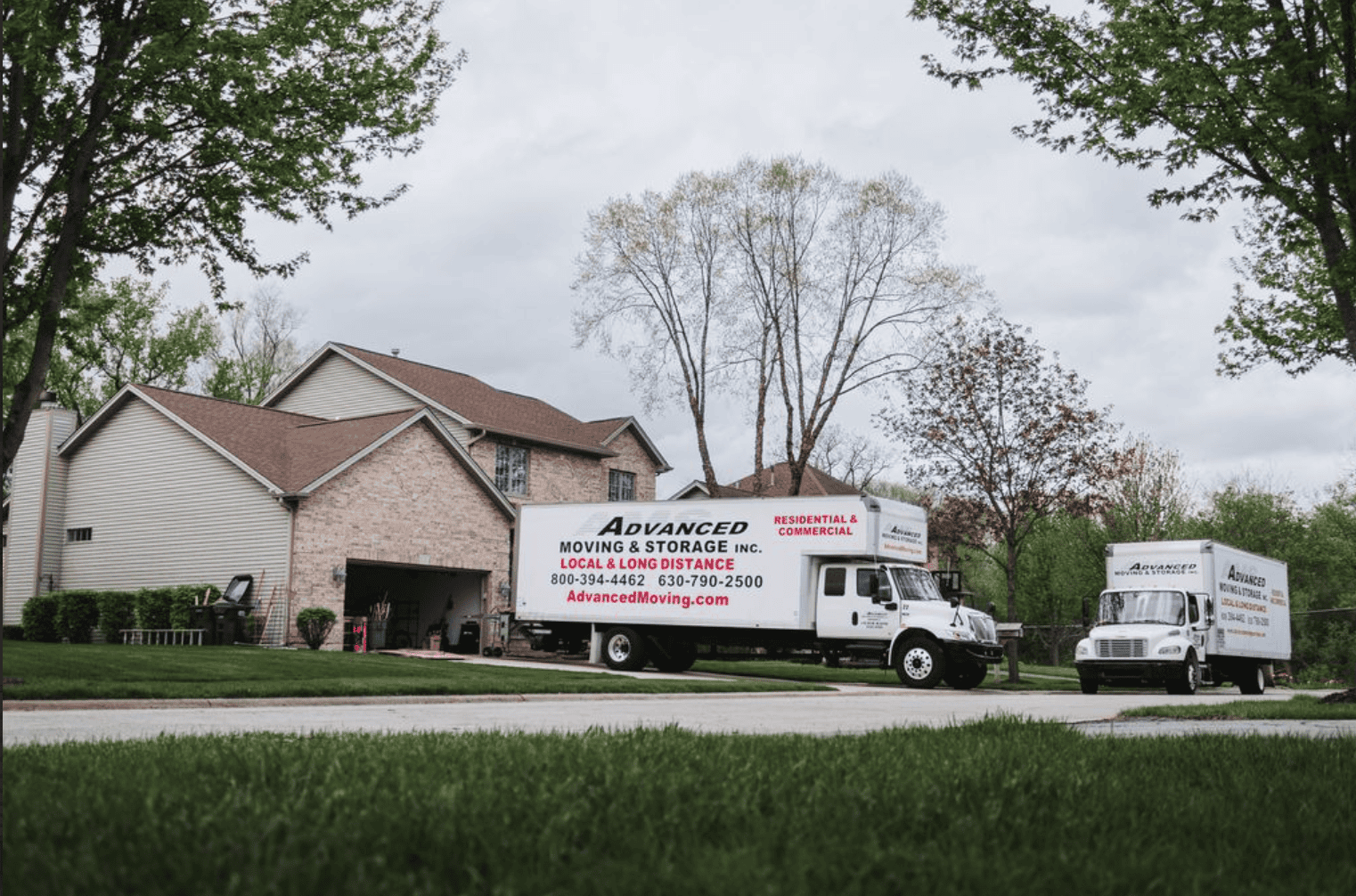
Parking is part of every Chicago move, so it belongs in your plan from the first call. Advanced Moving & Storage provides local moving and residential moving throughout the city. When you book with our Chicago movers, tell us about your street and your building so the truck has a place to park.
For the rest of your timeline, use our week-by-week Chicago moving checklist, then request a free moving quote.



 (630) 790-2500